

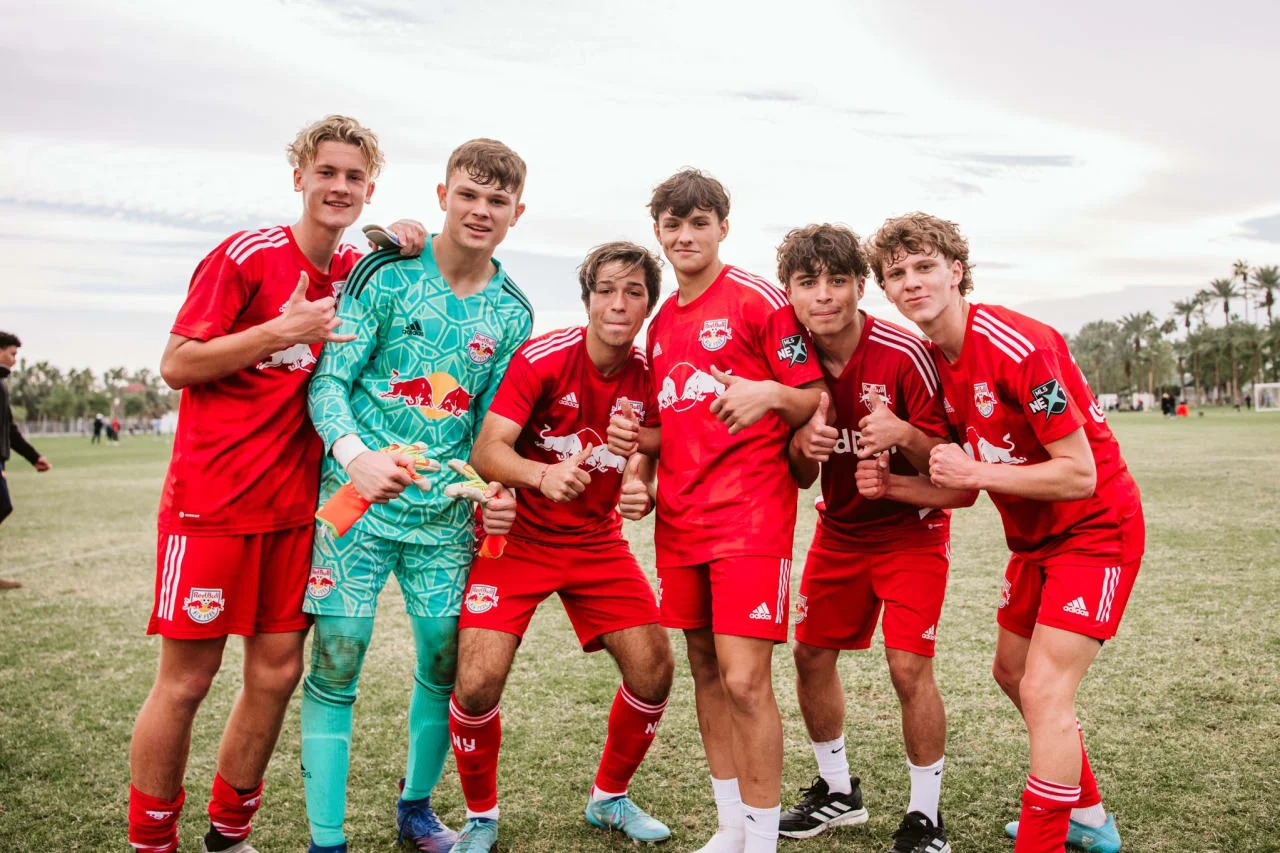
Toddlers are naturally active. They enjoy running, jumping, chasing objects, and copying the movements of the people around them. Soccer turns these everyday actions into enjoyable learning opportunities. Instead of expecting young children to understand complex rules, a good toddler soccer program introduces the game through imagination, movement, and simple activities.
For many families, joining a program for toddler soccer Sydney is not only about preparing a child to become a competitive player. It is also an opportunity to help them improve balance, coordination, listening, confidence, and social awareness in a positive environment.
Programs offered by Super Best Friends are designed to make soccer enjoyable and accessible for young children. Through age-appropriate games and supportive coaching, toddlers can explore movement, interact with others, and develop important early skills without unnecessary pressure.
Why Play Is Important in Toddler Soccer
Young children learn differently from teenagers and adults. Long explanations, complicated drills, and strict tactical instructions are unlikely to hold a toddler’s attention. They learn more effectively when an activity feels like a game.
A coach might ask children to pretend that the soccer ball is an animal they need to guide home. Another activity may involve running between colourful cones, chasing bubbles, or stopping the ball before it crosses an imaginary river. These games introduce basic soccer movements while keeping the children interested.
Play-based learning also allows toddlers to experiment. They can discover how much force is needed to move a ball, how to change direction, and how to control their bodies while running. Mistakes are treated as a natural part of the activity rather than something to fear.
The best soccer academy in Sydney for toddlers should understand that enjoyment comes before competition. When children associate sport with fun, encouragement, and friendship, they are more likely to remain active as they grow.
Building Balance and Coordination Through Movement
Balance and coordination are essential parts of early physical development. Soccer provides many opportunities for toddlers to practise these abilities in a natural way.
Running towards a ball requires children to coordinate their legs, arms, and vision. Kicking requires them to balance on one foot while moving the other. Stopping and changing direction help them understand how to control their speed and body position.
Simple soccer activities may involve:
- Walking or running around cones
- Rolling a ball towards a target
- Kicking with both feet
- Stopping a slowly moving ball
- Jumping over small markers
- Following curved or straight pathways
- Moving forwards, backwards, and sideways
These activities may look simple, but they help build the foundations needed for more advanced movement. A quality kids soccer Sydney program introduces them gradually so children are challenged without becoming frustrated.
Coaches should also recognise that every child develops at a different pace. Some toddlers may confidently chase the ball during their first session, while others may prefer to observe before joining. A supportive program gives each child time to become comfortable.
Improving Listening and Following Instructions
Toddler soccer can also help children practise listening and responding to instructions. During a session, a coach may ask children to freeze, change direction, find a coloured cone, or bring the ball back to a starting point.
These requests encourage children to focus on a speaker and connect spoken words with physical actions. Because the instructions are part of a game, children can practise listening without feeling as though they are completing a formal lesson.
Coaches working with toddlers should keep their directions short and clear. Demonstrating an activity is often more effective than explaining it in detail. Repetition is also important because young children may need to hear and see an instruction several times before understanding it.
Well-planned soccer coaching Sydney programs combine movement with listening opportunities throughout each session. Over time, children may become more confident following routines, waiting for a signal, and moving between activities.
Encouraging Confidence Without Pressure
New environments can feel overwhelming for toddlers. A soccer class may introduce them to unfamiliar adults, children, equipment, and routines. A warm and welcoming atmosphere can help them adjust at their own pace.
Confidence develops when children are allowed to try tasks without worrying about being criticised. A coach might celebrate a child for attempting a kick, joining a group activity, or returning the ball, even when the action is not technically perfect.
This type of encouragement shows children that effort matters. They learn that it is acceptable to make mistakes and try again. These early experiences can influence how they approach other challenges at preschool, at home, and later in school.
The best soccer academy Sydney parents choose should avoid comparing toddlers with one another. At this age, the aim is not to identify the strongest player. It is to help every child feel included and capable.
Super Best Friends focuses on creating positive experiences in which young players can participate, explore, and improve in a friendly setting. When children feel safe and supported, their confidence has more room to grow.
Developing Early Social Skills
Soccer introduces toddlers to the experience of being part of a group. Although very young children may not yet be ready for full teamwork, they can begin learning basic social behaviours.
During a session, toddlers may practise:
- Taking turns with equipment
- Sharing space with other children
- Waiting briefly for an activity
- Celebrating another child’s effort
- Joining group games
- Listening while someone else speaks
- Helping collect balls or cones
These small interactions help children become more comfortable around their peers. They begin to understand that a class involves more than their own actions.
Coaches can support social learning by using games that encourage children to move together without creating too much competition. Pair activities, group challenges, and simple team games can introduce cooperation in an age-appropriate way.
For parents exploring toddler soccer Sydney, the social environment should be considered alongside the technical training. A welcoming class can give children regular opportunities to build familiarity, friendships, and group awareness.
Introducing Fundamental Soccer Skills
Toddler programs do not need to focus heavily on technique, but they can introduce basic soccer actions through repetition and play. These early movements give children a foundation they can build on later.
One of the first skills children learn is moving with the ball. They may begin by pushing it with their hands or feet before gradually learning to use smaller kicks. Target games can introduce basic accuracy, while stopping activities help children understand control.
A well-structured soccer training Sydney program may include:
- Gentle dribbling activities
- Kicking towards large targets
- Stopping the ball with the foot
- Moving around simple obstacles
- Chasing and retrieving the ball
- Using both sides of the body
Toddlers should not be expected to perform these skills perfectly. The purpose is to create familiarity with the ball and help children connect movement with simple objectives.
Good coaches regularly change activities to match short attention spans. They also use stories, colours, music, and imagination to keep sessions engaging.
Supporting an Active Lifestyle From an Early Age
Regular movement is an important part of a healthy childhood. Soccer gives toddlers a structured reason to be active while still allowing them to enjoy themselves.
A typical session may include walking, running, turning, kicking, bending, and jumping. The variety keeps children moving in different ways instead of repeating one action for too long.
Early participation in sport can also help families make physical activity part of their weekly routine. Children begin to see movement as something enjoyable rather than an obligation. Parents may continue the experience at home by kicking a ball in the garden or playing simple movement games at a local park.
The aim should not be intense training. Toddlers need breaks, encouragement, and activities suited to their energy levels. The most valuable program is one that helps them leave the field feeling happy and excited to return.
What Parents Should Look for in a Soccer Academy
Choosing a program for a young child requires more than checking its location. Parents should look closely at how the sessions are designed and how coaches interact with children.
A suitable academy should offer:
- Age-appropriate activities
- Coaches who communicate patiently
- A safe and organised environment
- Small, achievable challenges
- A strong focus on fun and participation
- Clear information for parents
- Opportunities for every child to join
- Flexible support for different confidence levels
Parents searching for the best soccer academy in Sydney should consider whether the program understands early childhood development. A toddler class should not simply be a shorter version of an older child’s training session.
Super Best Friends provides young children with opportunities to learn through playful activities, supportive instruction, and regular movement. Its approach helps make soccer welcoming for children who are experiencing organised sport for the first time.
Final Thoughts
Toddler soccer offers much more than an introduction to kicking a ball. Through play and movement, young children can improve balance, coordination, listening, confidence, and early social skills.
The right program gives toddlers space to explore without placing them under competitive pressure. Activities should be simple, imaginative, and flexible enough to meet children at different stages of development.
Families looking for professional soccer coaching Sydney can consider programs that place enjoyment and participation at the centre of every session. At Super Best Friends, children are encouraged to move, play, interact, and discover soccer in a positive environment.
By choosing supportive kids soccer Sydney training, parents can give their children an enjoyable start in sport while helping them develop skills that extend far beyond the soccer field.
Frequently Asked Questions
What age is suitable for toddler soccer in Sydney?
Toddler soccer programs are generally designed for young children who are ready to run, follow simple instructions, and participate in short group activities. Age requirements may vary by academy.
How does toddler soccer support child development?
Toddler soccer helps children improve balance, coordination, listening, confidence, and social skills through playful movement and age-appropriate games.
Does a child need soccer experience to join?
No. Most toddler soccer programs welcome complete beginners. Coaches introduce basic movements gradually, allowing children to learn at their own pace.
What happens during a toddler soccer session?
Sessions often include running games, simple ball-control activities, kicking towards targets, obstacle courses, and group exercises designed to keep children active and engaged.