

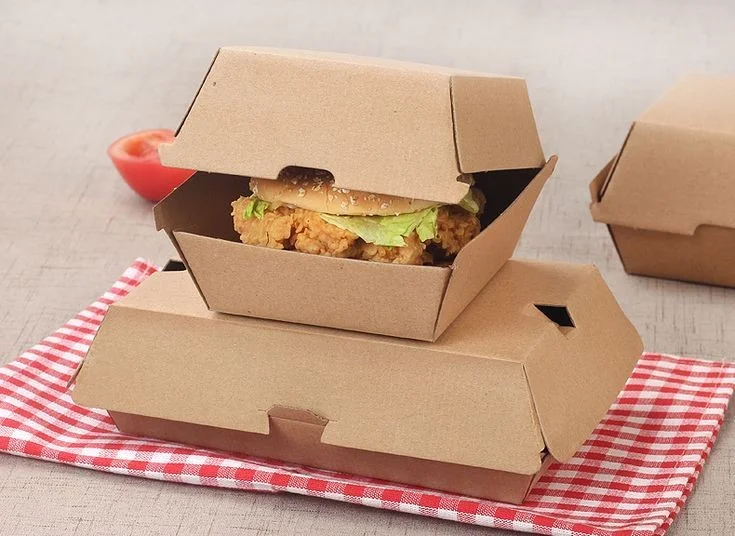
Burger packaging does more than keep food together. It helps protect the meal, maintain presentation, manage grease, and create a recognizable experience for customers. For restaurants, food trucks, cafés, and takeaway businesses, choosing the right packaging can improve both daily operations and brand presentation.
Custom burger wrap packaging gives food businesses the opportunity to combine functionality with branding. High-quality printed burger wraps can display a restaurant logo, colors, tagline, or other brand elements while helping keep burgers neatly wrapped during serving and takeaway orders.
What Is Custom Burger Wrap Packaging?
Custom burger wrap packaging refers to paper or food-safe wrapping material designed specifically for burgers and other handheld foods. Instead of using plain wrapping paper, businesses can customize the size, print, material, and appearance according to their needs.
Burger wraps are particularly useful for takeaway restaurants because they provide a convenient layer around the food without requiring a rigid box for every order.
A good wrap should help:
- Keep the burger contained
- Manage grease and moisture
- Support convenient handling
- Improve presentation
- Display brand information
- Reduce unnecessary packaging
The ideal choice depends on the burger size, ingredients, serving method, and whether the food is intended for immediate consumption or delivery.
Why Restaurants Use Custom Burger Wraps
Food businesses operate in a highly competitive environment. Customers may remember a restaurant not only because of its food but also because of its overall experience. Customized wrapping can contribute to that experience by making an ordinary takeaway order look more professional.
Benefits can include:
- Stronger brand recognition
- More attractive food presentation
- Better customer experience
- Convenient food handling
- Consistent packaging across orders
- Additional marketing space
A branded wrapper can also reinforce the restaurant’s identity every time a customer sees it.
Choosing the Right Wrapping Material
Material selection is one of the most important decisions when ordering burger wraps.
The material should be suitable for contact with food and capable of handling the temperature, moisture, and grease associated with the product.
Common considerations include:
Grease Resistance
Burgers often contain sauces, cheese, oils, and other ingredients that can make ordinary paper unsuitable. A suitable food-contact material should provide the necessary resistance for the intended application.
Strength
The wrapper should be strong enough to hold the burger without tearing during normal handling.
Flexibility
A burger wrap needs to fold around the food without becoming difficult to handle.
Food Safety
Businesses should confirm that the selected material and printing process are appropriate for the intended food-contact application and comply with relevant local requirements.
Select the Appropriate Size
Burger sizes vary considerably. A small slider and a large gourmet burger will not necessarily require the same wrapping dimensions. Before ordering, measure the typical burger size and consider how the wrapper will be folded.
Important measurements may include:
- Burger diameter
- Burger height
- Wrapper length
- Wrapper width
- Folding requirements
Ordering the correct size can reduce unnecessary material use while making the wrapping process faster for staff. If a wrapper is too small, it may fail to cover the food properly. If it is excessively large, it can increase material use and make handling less convenient.
Printing and Branding Options
One of the biggest advantages of customized burger wraps is the ability to print branding directly onto the packaging.
Businesses can include:
- Restaurant logo
- Brand name
- Tagline
- Website
- Social media handle
- Brand colors
- Simple illustrations
- Promotional messages
A clean logo placed strategically on the wrapper can be more effective than filling the entire surface with graphics. The design should remain easy to recognize, especially when the wrapper is folded around the burger.
Keep the Design Simple and Recognizable
Food packaging has limited space, and burger wrappers are often folded or partially covered by the food. This means complicated designs may not always work well.
A practical design should prioritize:
- Brand recognition
- Readable typography
- Strong contrast
- Consistent colors
- Simple visual elements
For example, a restaurant with a minimalist identity may use a single-color logo and a subtle pattern. A casual burger brand may use bold typography and illustrations. The design should match the restaurant’s personality and target customers.
Printing Methods for Burger Wraps
Different printing processes can be used depending on order volume, artwork, material, and budget.
Digital Printing
Digital printing can be useful for smaller quantities and designs that require flexibility.
Flexographic Printing
Flexographic printing is commonly used for various packaging applications and can be suitable for larger production runs.
Offset Printing
Offset printing can provide high-quality results and may be considered for larger orders requiring detailed artwork.
The appropriate printing method depends on the manufacturer’s capabilities and the specific packaging material. Businesses should request a sample or proof before approving a large production run.
Consider Grease and Moisture
Burger packaging needs to handle the realities of food service. Sauces, melted cheese, oils, and steam can affect the wrapper.
The packaging should be selected according to the type of burger being served. For example, a simple dry burger may have different packaging requirements than a heavily sauced burger with multiple moist ingredients.
Businesses should test their chosen material with the actual food before committing to a large order. This practical test can reveal problems with grease penetration, tearing, folding, or presentation.
Improve the Takeaway Experience
Takeaway customers interact with packaging differently from dine-in customers. The food needs to remain manageable while customers transport and eat it. A well-designed burger wrapper can make the food easier to hold and reduce mess. Packaging can also help restaurants create a consistent experience across:
- Takeaway orders
- Food delivery
- Food trucks
- Catering
- Events
- Restaurant counters
Consistency makes operations easier for staff and helps customers recognize the brand.
Custom Burger Wraps for Food Delivery
Delivery creates additional packaging challenges. Burgers may spend considerable time inside a delivery bag before reaching the customer.
Excessive heat and steam can affect texture and packaging performance. Restaurants should therefore consider the entire packaging system rather than looking at the wrapper in isolation.
A wrapper may be combined with an appropriate burger box or outer delivery packaging to provide additional support. The goal is to maintain food quality while preventing unnecessary movement or mess.
Sustainable Burger Wrap Packaging
Many food businesses are exploring ways to reduce packaging waste and make more responsible material choices.
Potential considerations include:
- Efficient wrapper sizing
- Paper-based materials
- Recyclable materials where appropriate
- Reduced unnecessary packaging
- Responsible paper sourcing
- Minimal use of additional components
However, businesses should be careful with environmental claims. Whether a package is recyclable or compostable depends on its exact materials, coatings, inks, local facilities, and disposal conditions. Restaurants should obtain accurate information from their packaging supplier before promoting environmental claims to customers.
Make Your Brand More Memorable
Packaging can work as a small but consistent marketing channel. Every burger leaving a restaurant carries the brand with it. A recognizable wrapper can reinforce the company’s identity when customers eat at home, at work, or outdoors.
Restaurants can also use packaging to promote:
- New menu items
- Loyalty programs
- Social media pages
- Seasonal offers
- QR codes
- Special events
Promotional information should remain secondary to the main branding so the wrapper does not become visually overwhelming.
Ordering Custom Burger Wrap Packaging
Before placing an order, restaurants should prepare clear specifications.
These may include:
- Wrapper dimensions
- Material requirements
- Printing colors
- Artwork files
- Estimated order quantity
- Expected delivery schedule
- Food-contact requirements
- Desired finishing options
Providing accurate information can make the quotation and production process smoother. Businesses should also request samples when possible. A physical sample makes it easier to evaluate the material, printing, folding, and overall appearance.
Restaurants comparing custom packaging suppliers may consider one custom boxes when evaluating options for branded food packaging.
Common Mistakes to Avoid
Choosing the Wrong Size
Incorrect dimensions can make wrapping slower and less effective.
Ignoring Food-Contact Requirements
Packaging materials should be appropriate for their intended food-contact use.
Using Weak Material
Thin or unsuitable paper can tear when exposed to moisture or grease.
Overloading the Design
Too much text or artwork can make branding difficult to recognize.
Skipping Testing
A sample test with the actual burger can identify practical problems before a large order.
Ordering Without Considering Demand
Restaurants should estimate usage carefully to avoid excessive inventory or frequent reordering.
How Custom Burger Wrap Packaging Supports Restaurant Branding
Strong restaurant branding depends on consistency. Menu design, signage, uniforms, social media, delivery bags, and food packaging should ideally work together visually.
Burger wraps can become one part of this larger branding system.
When the same logo, colors, and design language appear across different customer touchpoints, the restaurant can create a more recognizable identity.
This is especially valuable for smaller restaurants competing against larger chains. A well-designed wrapper can make a local business look established and professional without requiring complicated packaging.
Final Thoughts
Custom burger wrap packaging can provide restaurants with a practical way to protect food while improving presentation and brand recognition. The best choice depends on the burger size, ingredients, grease levels, serving method, material, printing requirements, and business budget.
Before placing a large order, businesses should test the material with their actual food, confirm appropriate food-contact requirements, review printing samples, and choose dimensions that make sense for daily operations.
A successful burger wrapper does not need to be complicated. It needs to work reliably, look professional, support the restaurant’s identity, and provide customers with a convenient eating experience.
When functionality and branding are considered together, custom burger wrap packaging can become a simple but effective part of a restaurant’s overall customer experience.